
Helping Little Hands Communicate: Using Signs to Support Your Child's Speech and Language Skills
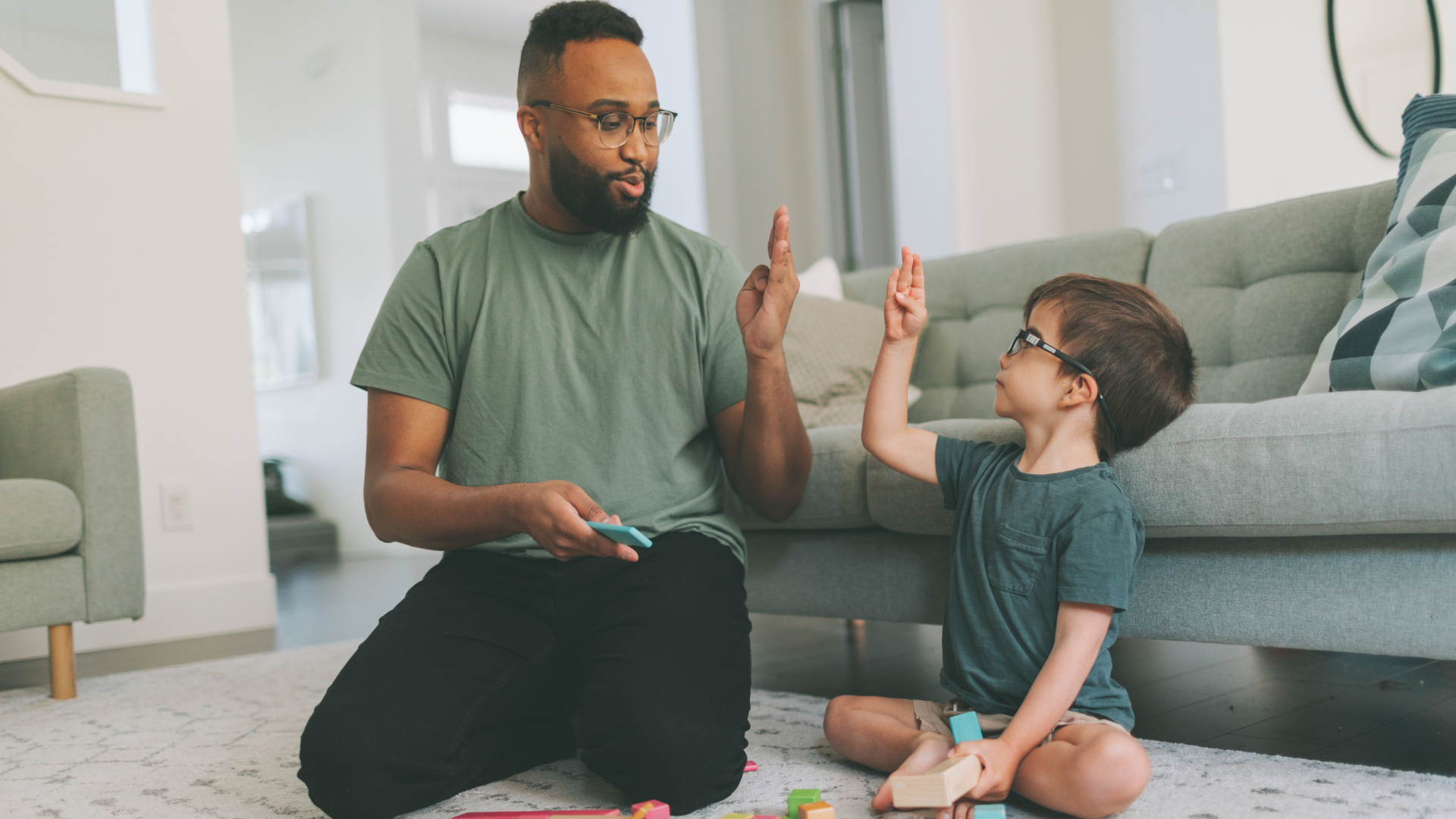
Many parents are surprised that using simple signs with babies and toddlers can help develop their speech and language skills. At Pediatric Interactions, we recommend using some functional signs in daily routines. This helps kids express themselves before they can use words regularly.
One of the biggest myths about sign language is that it delays talking. Research shows the opposite. Using signs can lower frustration and increase communication across different people and activities. Signs give children a way to express themselves while their speech and motor skills are still developing.
Why Signing Helps
Children often understand words long before they can say them. Think about how many times your child looks at a snack, reaches for a toy, or cries because they cannot communicate what they want. Signs provide a bridge between understanding and speaking.
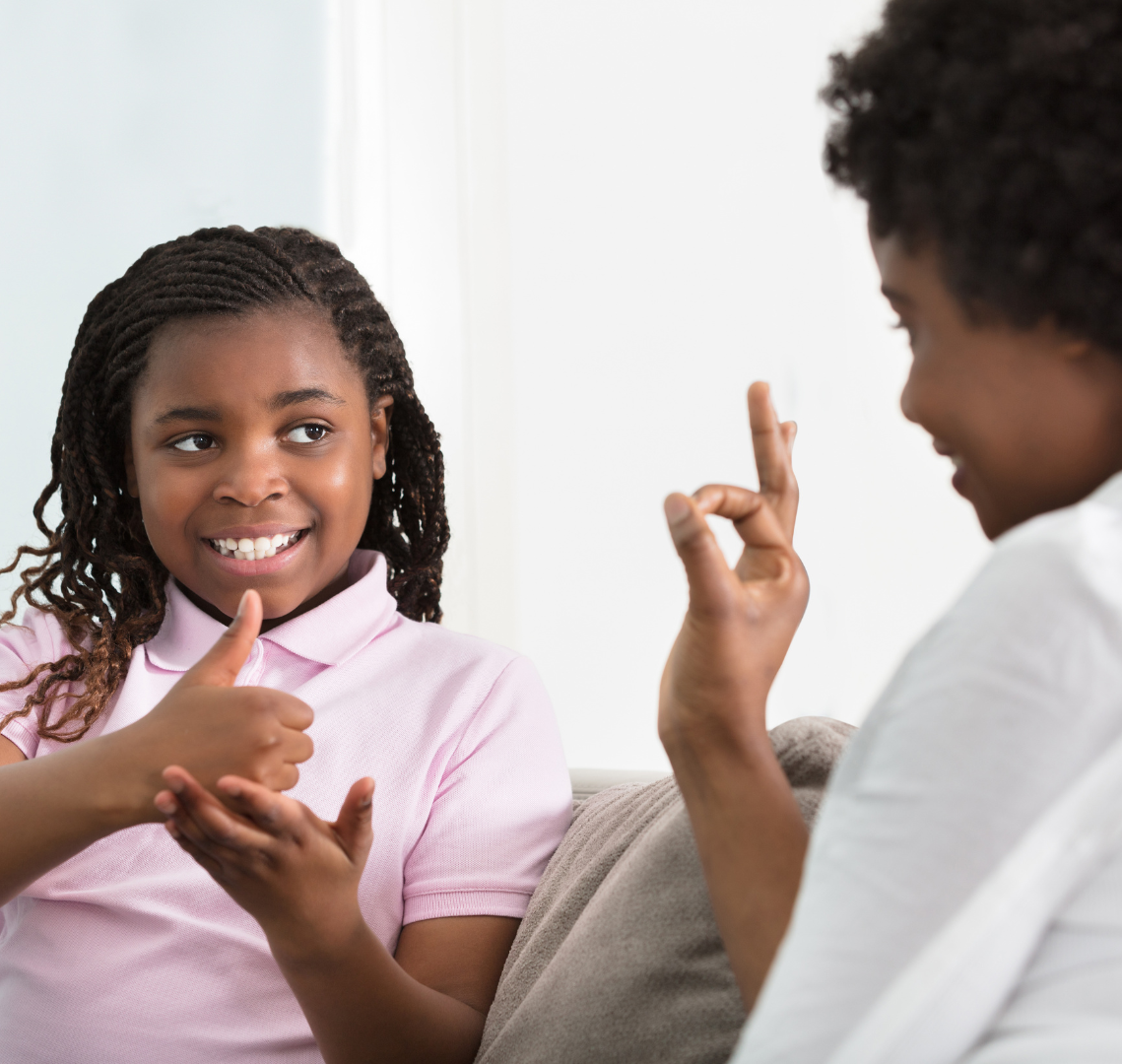
Signing can help children:
Express wants and needs
Reduce frustration and tantrums
Increase attention to language
Learn new vocabulary
Participate in social interactions
Build confidence as communicators
Many children begin using signs before they are able to produce clear spoken words. As speech develops, spoken words take the place of signs.
Which Signs Should I Teach First?
Start with signs that are meaningful and motivating for your child. The best signs are words they hear and need throughout the day.
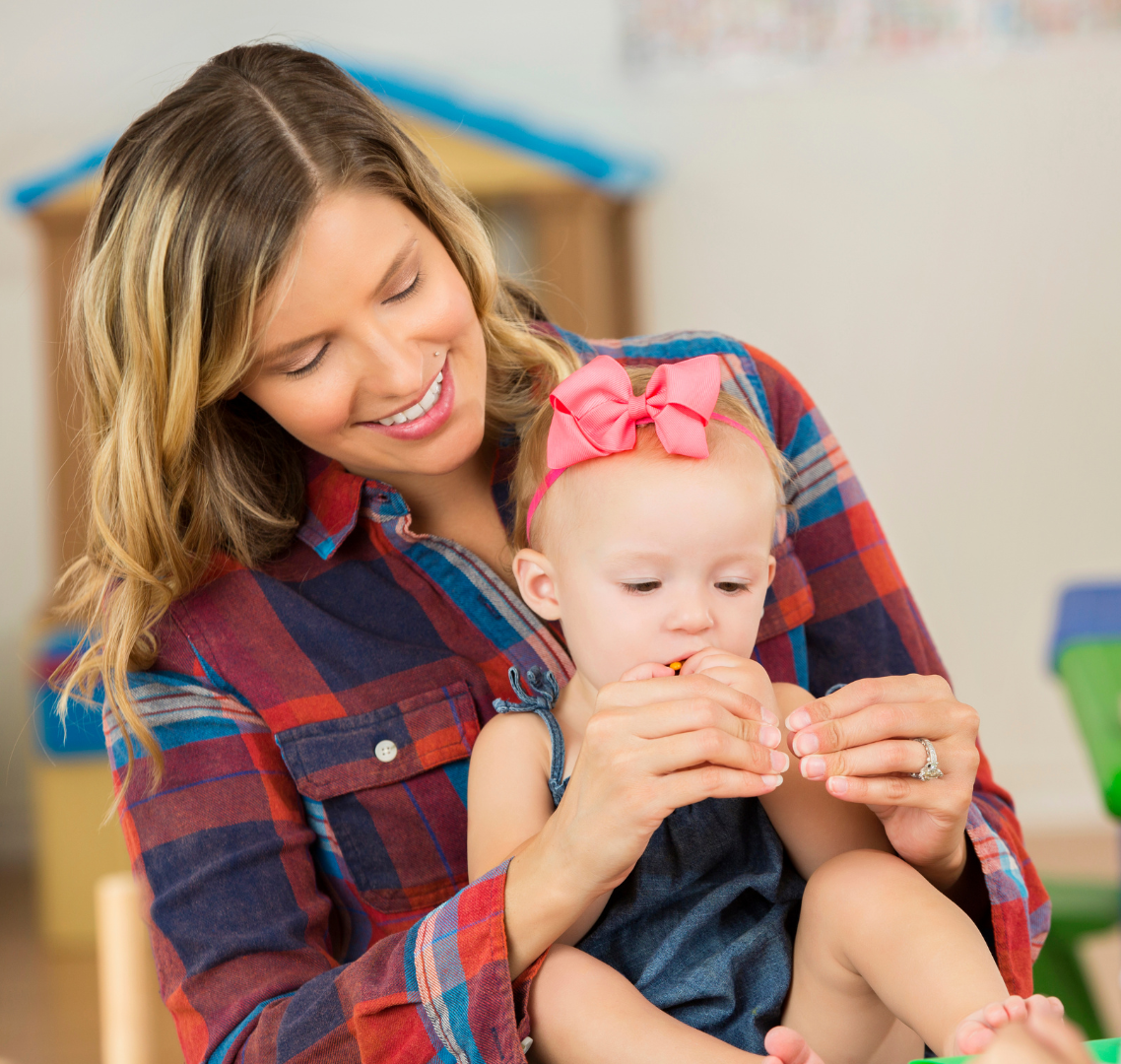
Core Signs to Teach
Start with some signs that mimic natural gestures.
More – bringing hands together
All Done – flipping hands outward
Eat – bringing fingers toward mouth
Wave for "hi" and "bye"
Pointing to request

Help in Sign Language
Choose other signs based on motivating items, actions, or ways your child can get someone to help him or her.
Drink
Help
Open
Want
Go
Stop
Tips for Teaching Signs
1. Use Signs During Everyday Activities
Children learn best when they connect signs to meaningful experiences. Use signs throughout the day. Practice them while eating, picking up, or doing actions like “open” and asking for “help.”
2. Always Say the Word
When using a sign, say the word aloud at the same time.
3. Model and Help
Children learn through repetition. They need to see signs modeled often in various activities or by different people. Help your child “make” the sign with gentle support at the elbows, forearms, under your child’s hands or by helping with the final part of the movement.
4. Accept Approximations
Just as children's first words are not perfect, their first signs may not be perfect either. Accept their approximation and model the spoken word and the correct sign to reinforce their learning.
5. Create Opportunities to Communicate
Don't guess what your child wants. Let them start the conversation. They might use a look, reach out, make a sound, or use a partial sign. Then, you can reinforce and respond to them.
6. Keep It Fun
Songs, fingerplays, books, and favorite games are wonderful opportunities to incorporate signs. Children learn best when communication is enjoyable and connected to positive experiences.
Remember: Signs Support Speech
The goal of signing is not to replace talking. Signs provide children with an additional way to communicate while spoken language is developing.
Each sign your child learns opens up new chances for interaction, connection, and learning language. Signs can help your child communicate better. Signs can help kids who are just starting to talk, struggling to be understood, or needing visual support. They make sharing thoughts and needs easier.
Start Learning Signs
Pediatric Interactions is partnering with Grayslake Area Public Library to offer Singing & Signing Storytime on June 17, 18 and July 22 and 23, 2026 and at BabyTales June 18 and July 23, 2026 (see activity calendar).
Wauconda Area Public Library is also hosting a 8-week Singing & Signing class on Fridays from July 10 through August 28, 2026 (registration required).
Find books, handouts and videos to help Signing Throughout The Day With Your Child on our website.