
From Bark (or Meow) to Words: Growing Communication with Pets
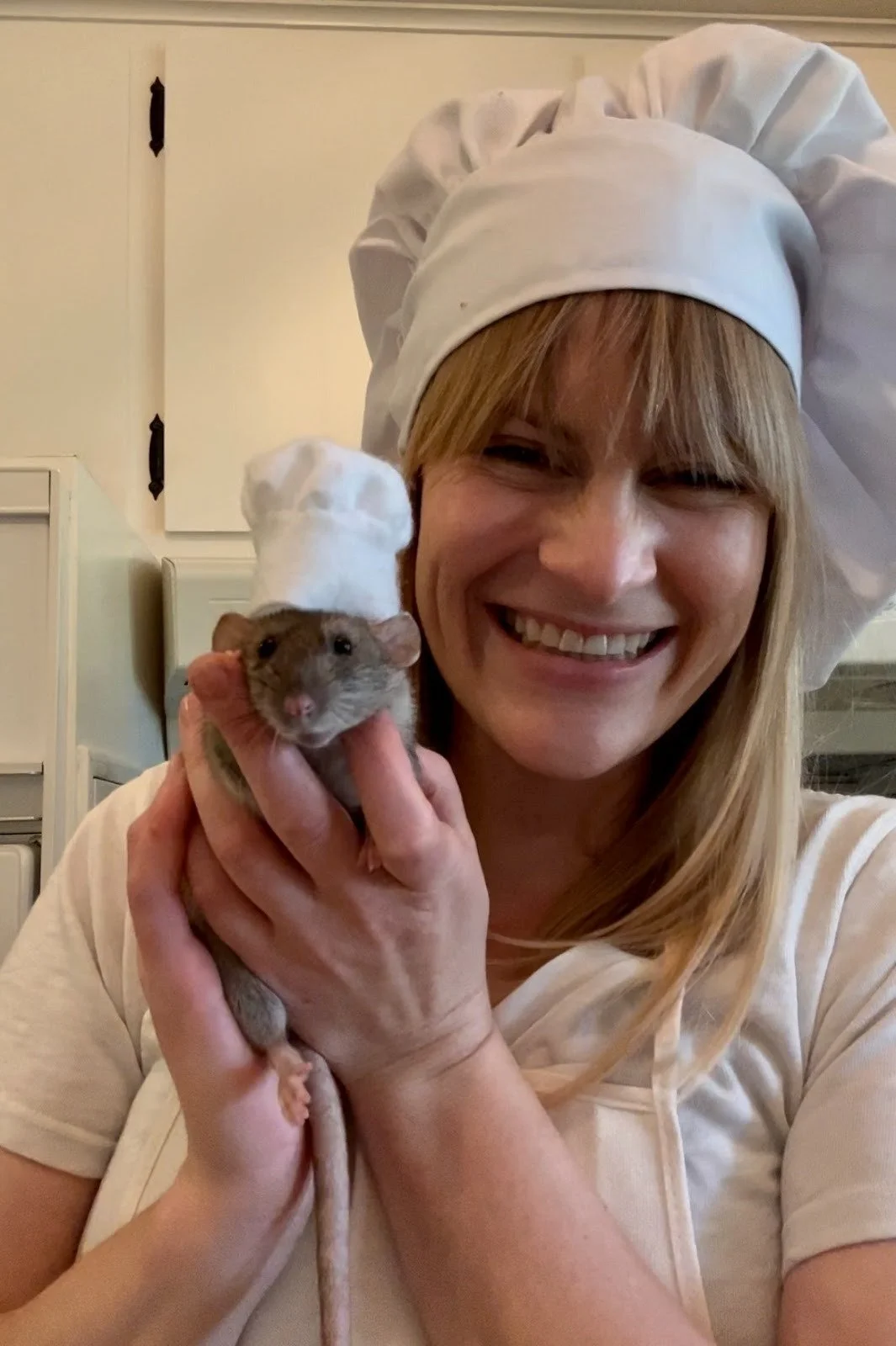
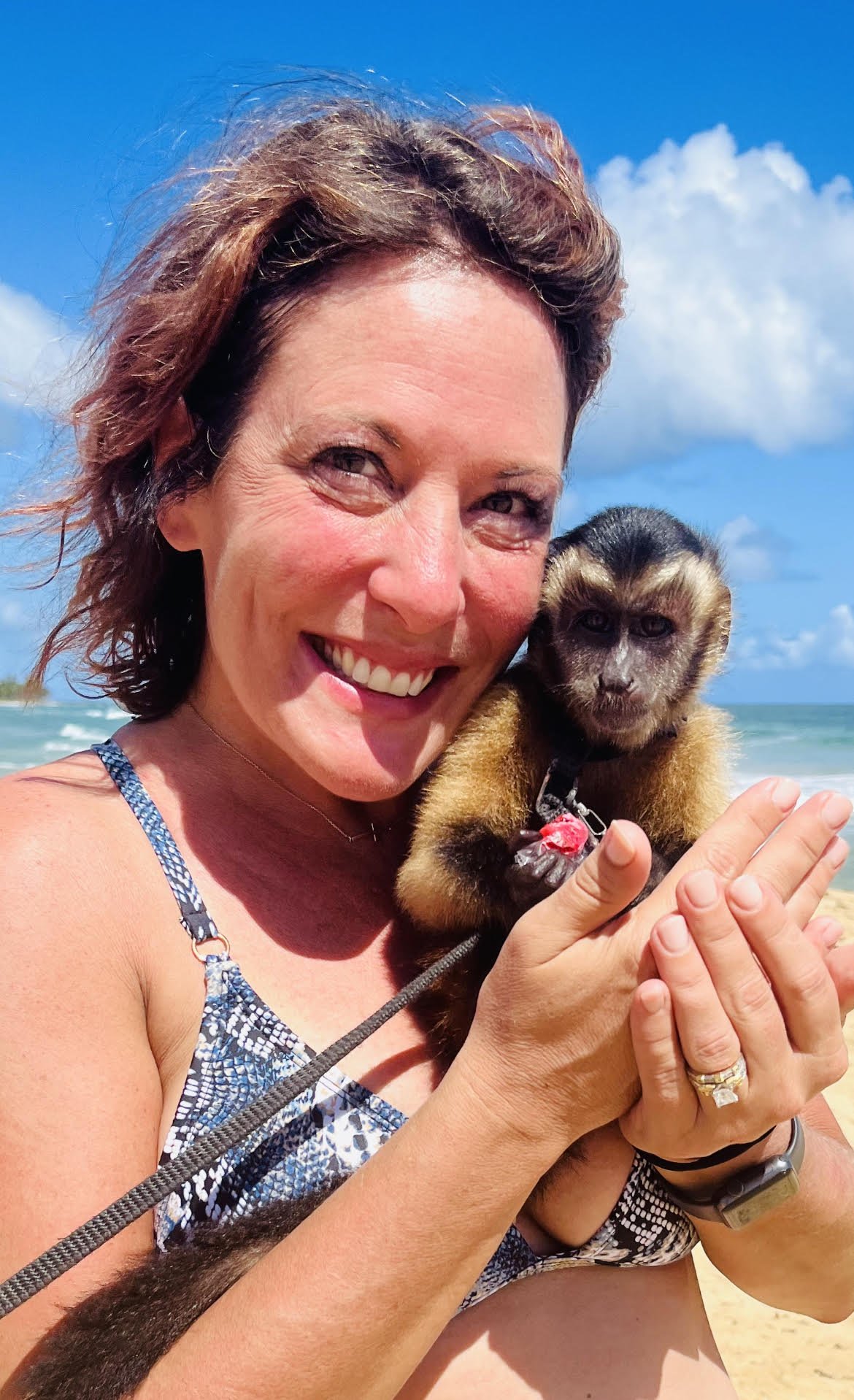
Miss Beth and her pet rat
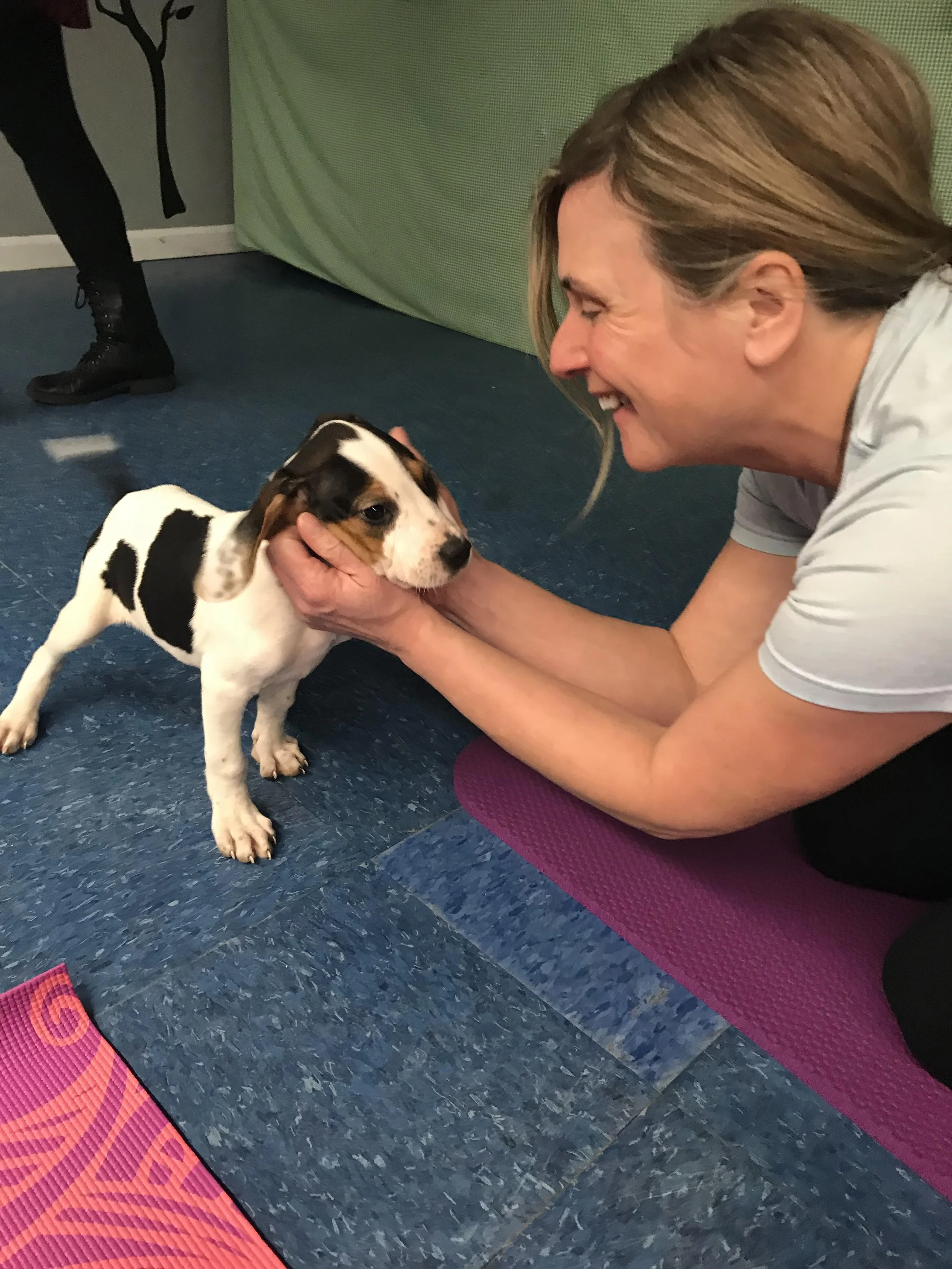
At Pediatric Interactions, we think the best learning comes from connection, play, and everyday moments. For many kids, a special bond is with their pet.
Whether it’s a dog, cat, hamster, or even rats like Ms. Beth, pets can be powerful partners in building speech, language, and social communication skills.
Here are simple, fun ways to incorporate your child’s pet into everyday practice at home:

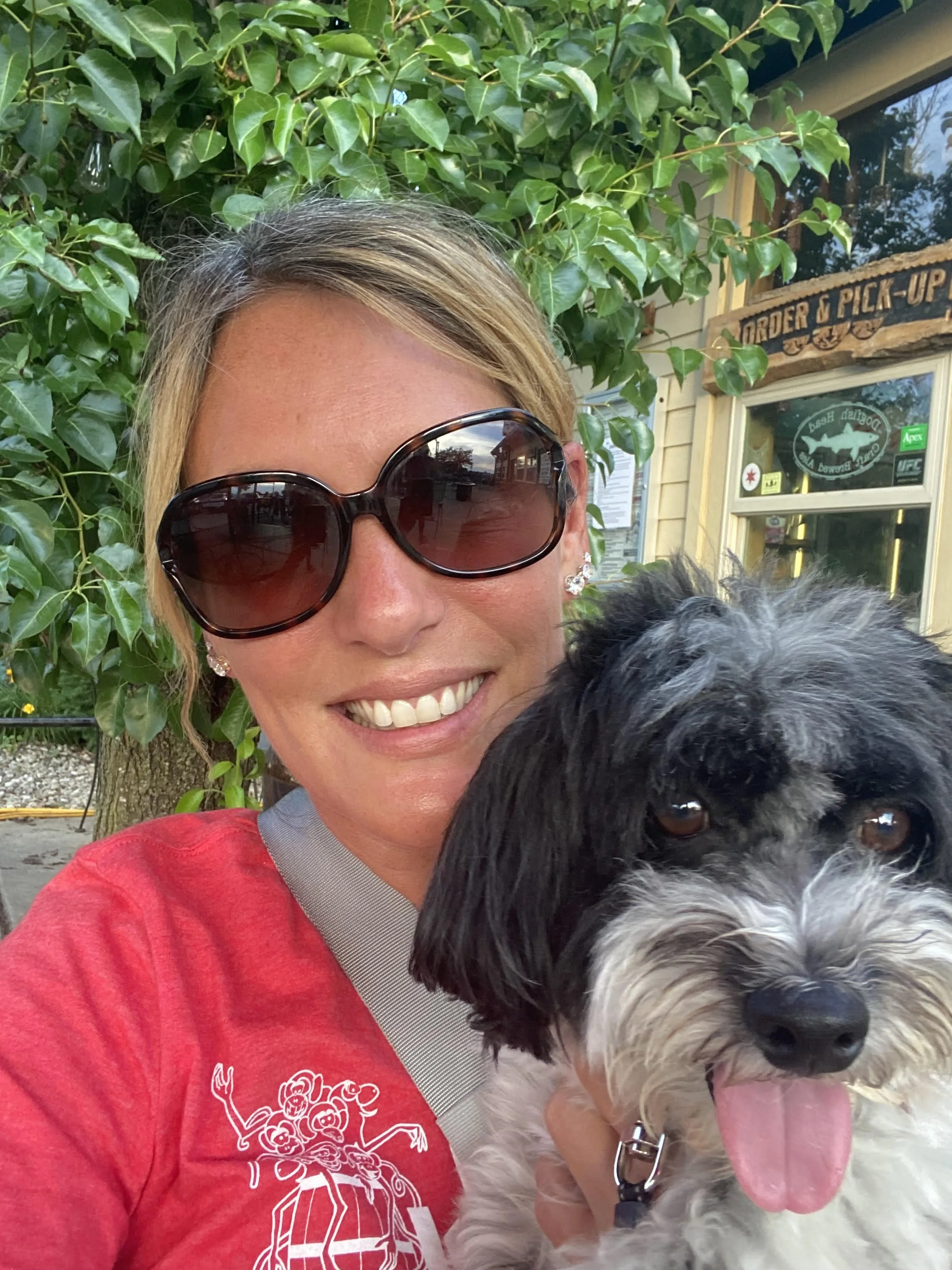
Miss Alyssa and her dog, Maddox
Use your pet’s language
Imitating and making environmental sounds, like barking or meowing, is a foundation of imitating and using words.
Try this:
Ask your child, “What does a dog say?” and encourage them to bark. Change up the animals. Be silly and do the wrong animal sound to see if they notice.
Point out other dogs in pictures or when out in the community. Label “dog” and refer to your child’s dog at home.
Have your child be a helper
Imitating and making environmental sounds, like barking or meowing, is a foundation of imitating and using words.
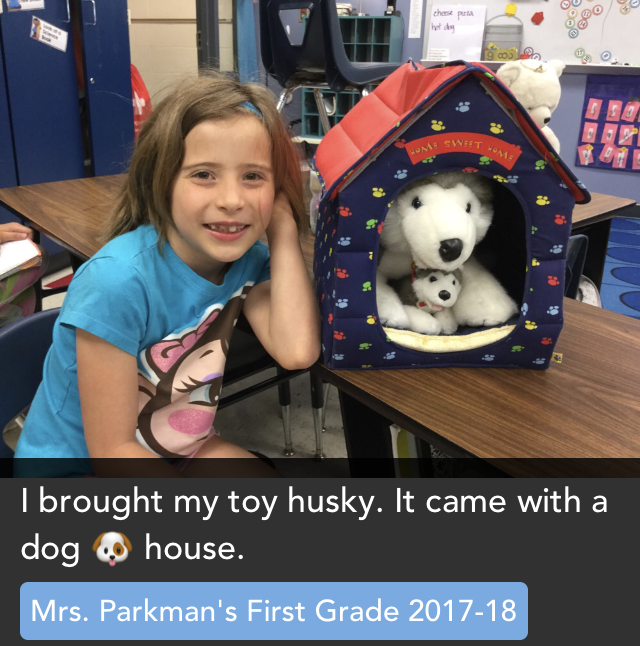
Try this:
Give your child directions or label their actions “open, pour”
Talk about opposites: “The bowl is empty/full.”
Encourage your child to call the pet’s name when it is time to eat
Play with your pet
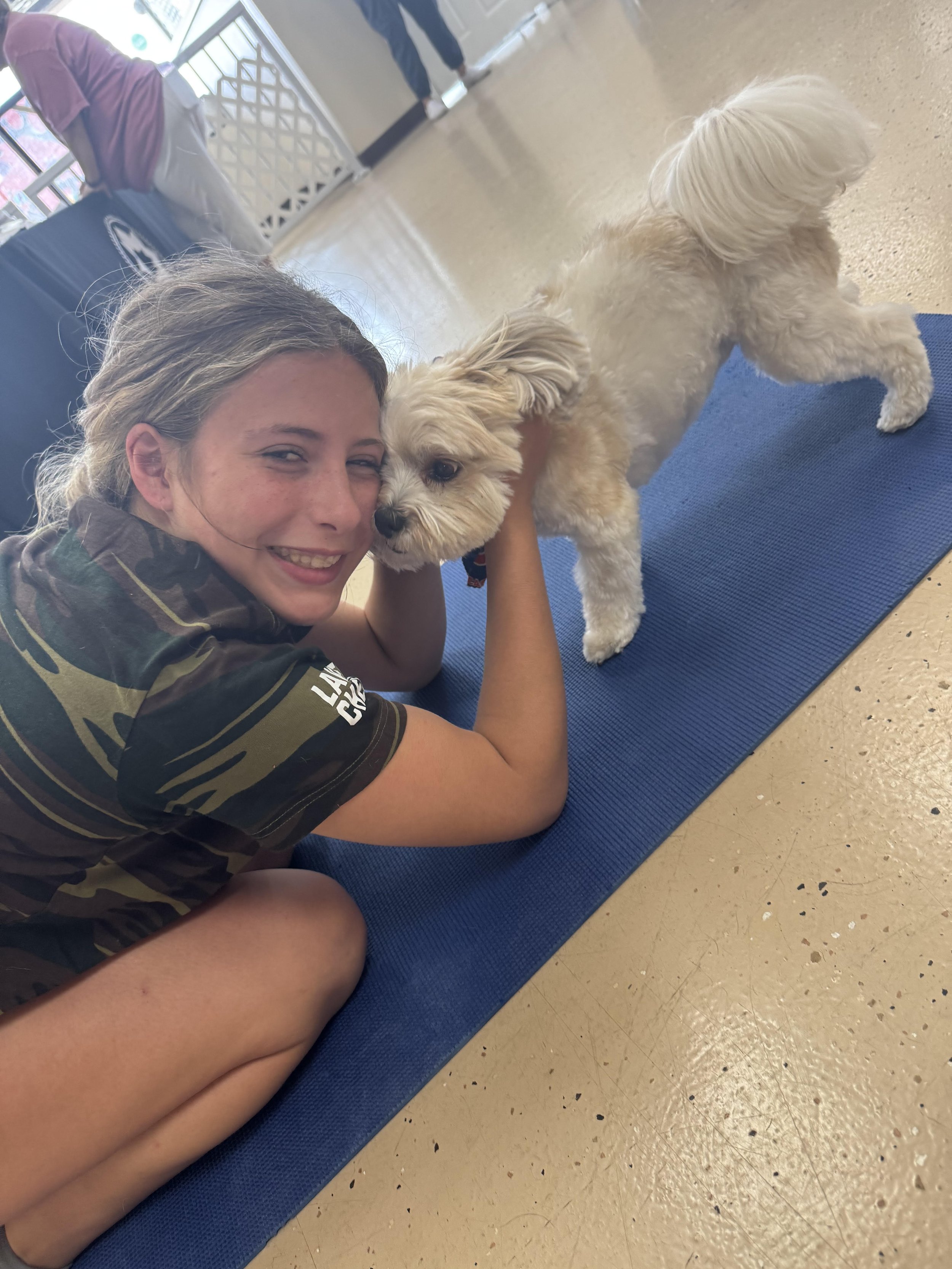
Pets motivate kids. Playing and interacting with animals encourages communication.
Try this:
When throwing a toy, use the phrase, “Ready, set….” and pause to encourage your child to fill in the word “go.” This is also a good way to work on waiting to do an action (like throwing the toy).
Ask your child, “What do we need to go on a walk?” to have them problem solve and come up with the word “leash”
Practice with your pet
Pets are wonderful "listeners," making them perfect for practicing speech therapy activities.
Try this:
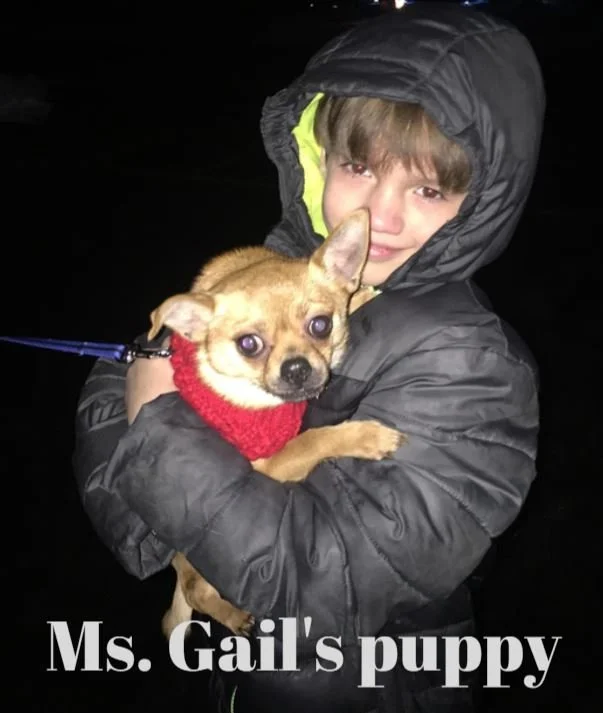
Ask your child to tell the pet about their day.
Ask questions about your pet: “What is your pet doing? Is she sleeping or playing?”
Pretend the pet is “talking” and take turns in a conversation
Support Emotional Expression
Pets often help children feel safe and calm, which opens the door for expressing feelings.
This this:
Connect your child’s emotions to the pet’s. Comment “Your pet looks excited!” and ask, “Are you excited?”
Help your child think of reasons by asking, "Why is your pet excited?"
Play with a Purpose and Meaningful Moments
To help your child communicate, you don’t need special materials or extra time. Focus on meaningful moments.
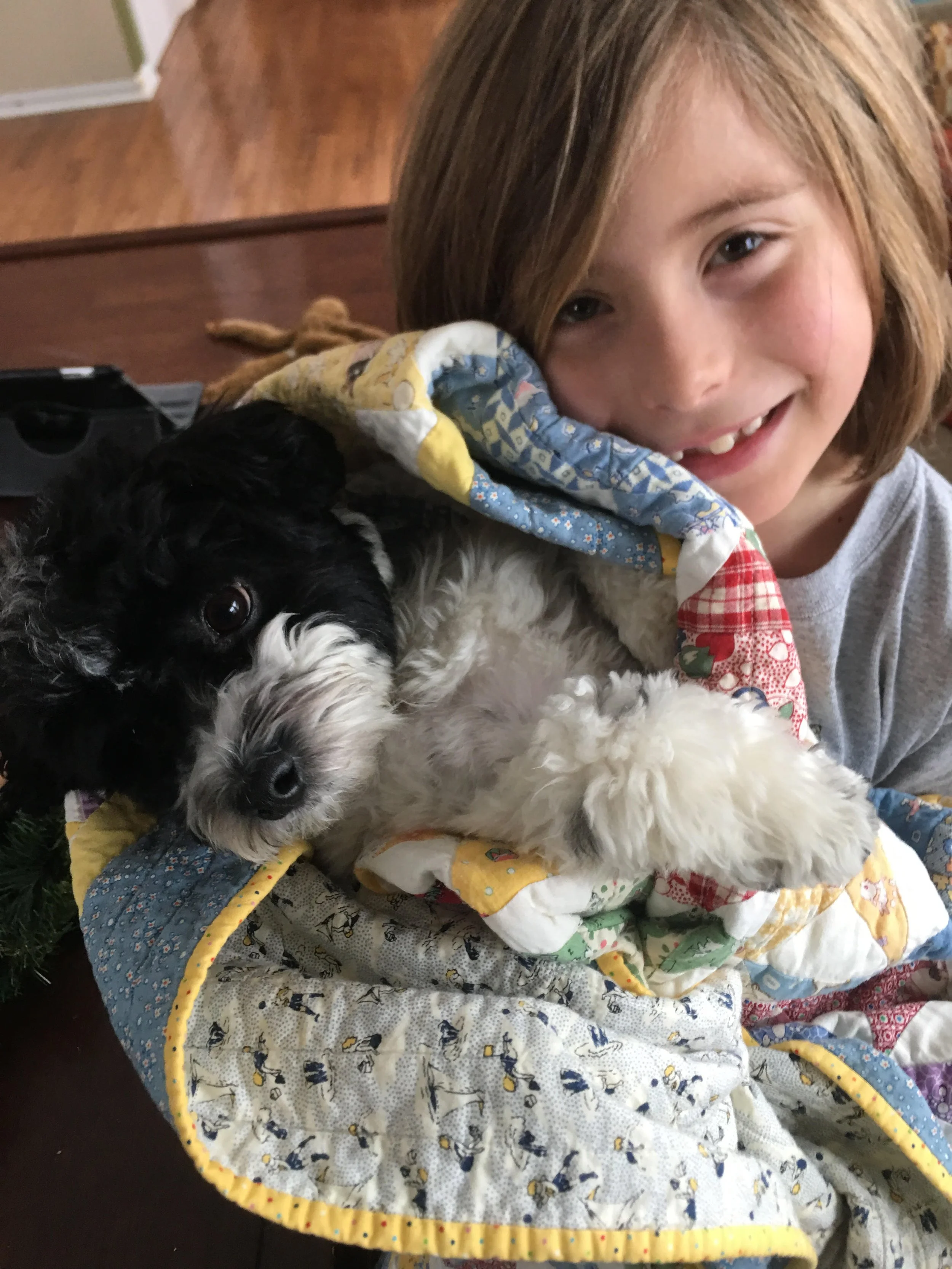
Your child’s relationship with their pet is already full of opportunities for learning. Adding simple language, pauses, and interaction turns daily routines into strong growth moments.
From Our Monkeys
At Pediatric Interactions, we love helping families find fun, natural ways to improve communication. Pets are some of our favorite “co-therapists.” Because they encourage interaction, the right support can make a big difference for your child.
If you’re noticing frustration or difficulty expressing wants and needs, or if you have questions about development, let’s talk. Reach out for developmental milestones or a developmental screening to learn how we can help you and your child.